

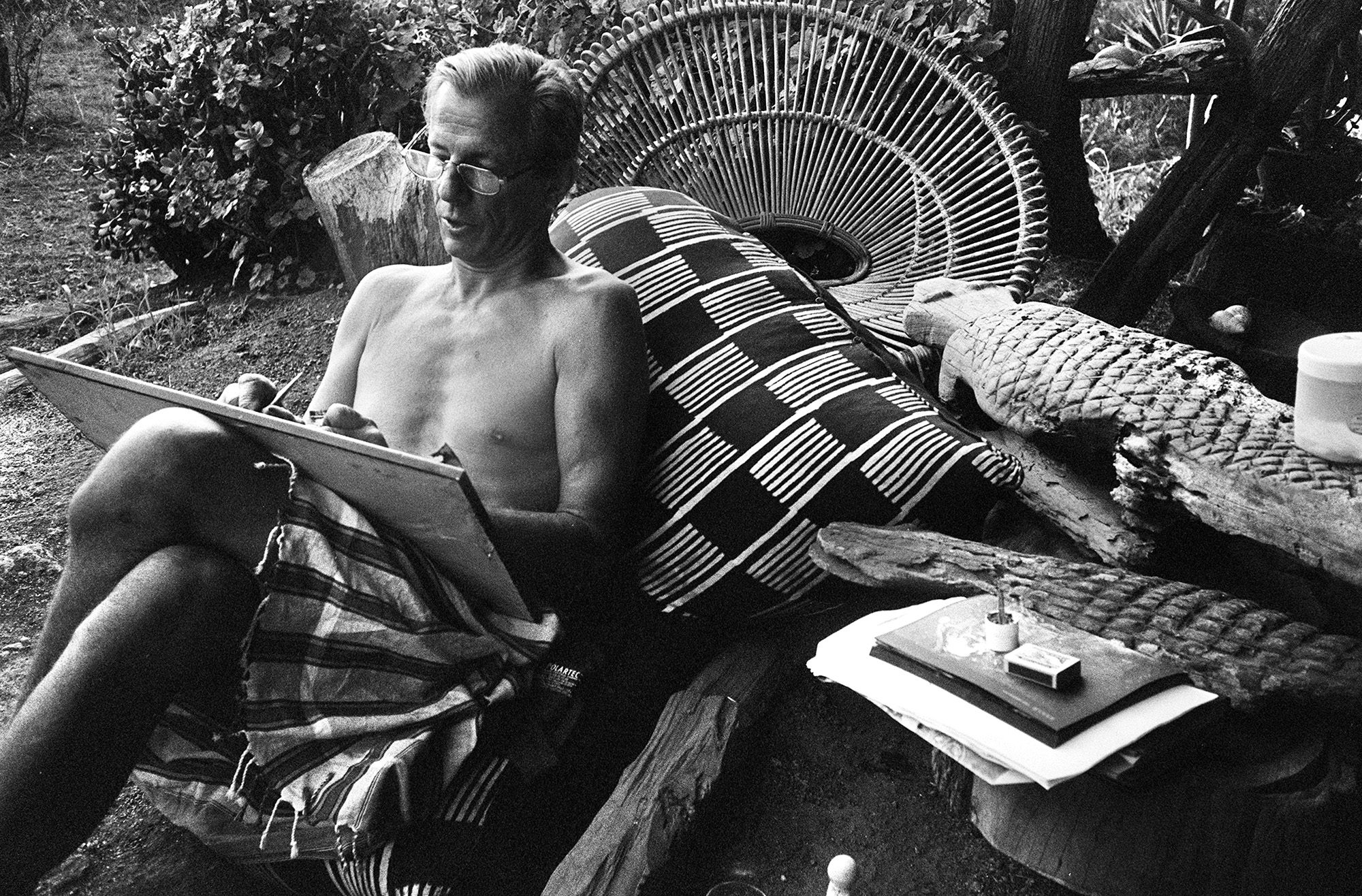
The King is dead. The flamboyant, 82 year old adventure photographer has moved on. Like everyone, it eventually has to happen. But this is different. By all accounts, Peter Beard lived an extraordinary life. Sean O’Hagan of The Guardian referred to him as a reckless playboy photographer. Harrison Smith draws upon the writing of Bob Colacello describing Peter Beard as “half Tarzan, half Byron”. I never got the chance to meet Mr. Beard, but when you look at his photos, it’s clear he lived a life most people only dream about.
01.
The Gilded Cage: A Boy Born into Privilege
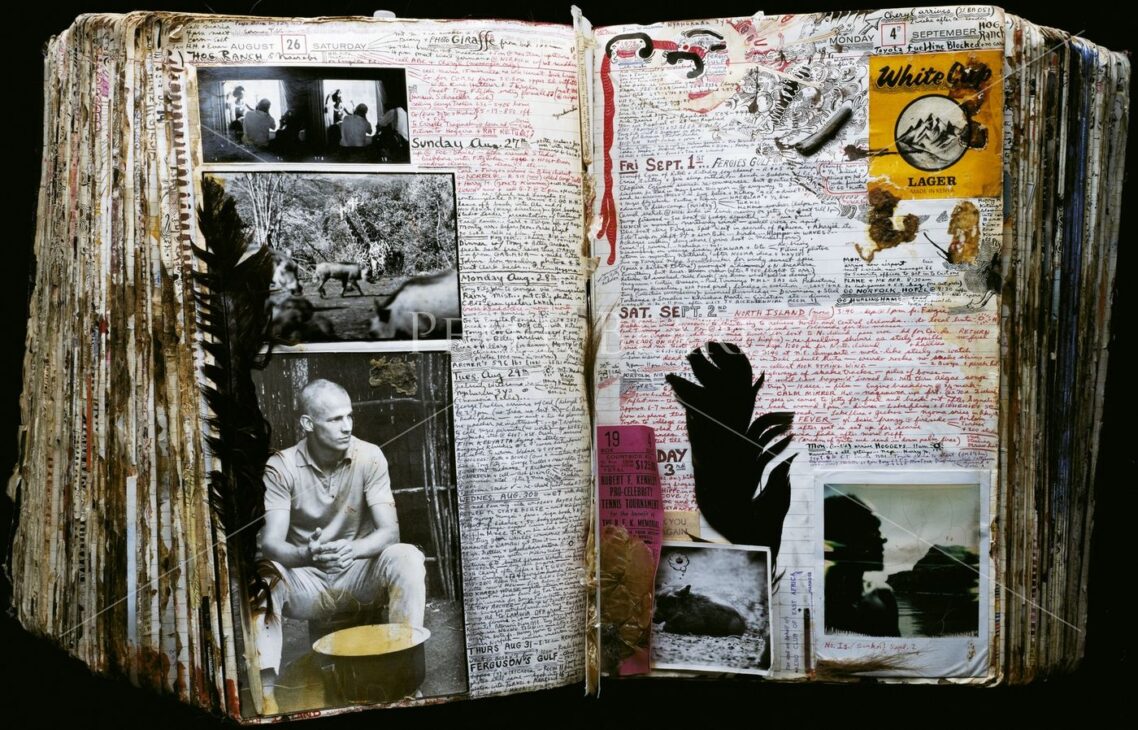
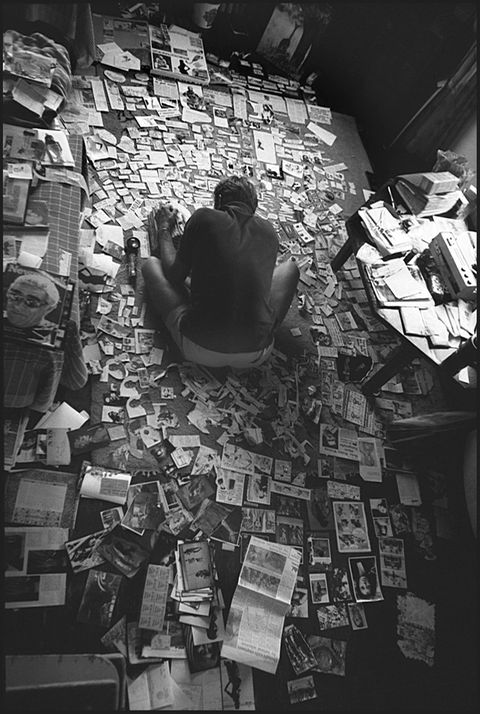
Peter Beard was born into wealth in 1938, with the life of a polished New York heir laid before him. But from childhood, he began scribbling, sketching, and pasting into diaries — a compulsion that would outlast his gilded beginnings.
He grew up surrounded by private schools, big houses on the East Coast, and a family known for wealth and influence. Everyone expected his future to be set: Yale University, a good career, and maybe a quiet life on the Upper East Side.
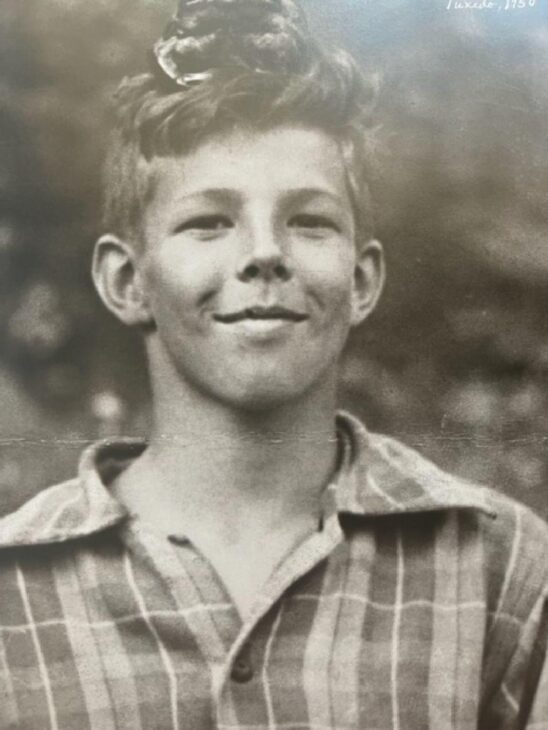
From an early age, though, Beard resisted that script. At twelve, he began keeping illustrated diaries, filling them with sketches, snapshots, and clippings. These journals revealed a boy who was both restless and observant, someone more fascinated by raw detail than polished appearances. At Yale, he majored in art and dabbled in history, sharpening his eye and voice. Yet still, the world around him seemed too manicured.
The ordinary world was polished and secure—but it wasn’t enough.
I started keeping diaries at twelve. Everything in life felt worth recording — even the smallest scratches.
02.
The First Taste of Blood and Dust
The spark came from literature. While at Yale, Beard devoured Karen Blixen’s memoir Out of Africa. Her vivid portraits of Kenya’s landscapes and people ignited his imagination. Her words promised a world stripped of pretense, where life and death played out under endless skies.
In 1955, Beard first traveled to Africa. He was still a teenager, but the moment he stepped onto Kenyan soil, something inside him shifted. The wilderness felt like truth, a place where the noise of society vanished. Herds of elephants stretched across the plains, lions moved like shadows, and death was never far from sight.
“I realized this is what the world was really like before man destroyed it,” Beard later wrote. His call to adventure was undeniable: Africa had claimed him.
03.
Comfort vs. Chaos: Choosing the Hard Road
Even for Beard, hesitation lingered. His family expected him to channel his Yale degree into something sensible. Friends in New York lived lives of stability and social prestige. Africa, in contrast, was unforgiving. Disease, predators, and political unrest made it a dangerous place for a young American.
To pursue this path meant defying his family’s expectations and risking his safety. For a moment, he considered the easier road. But the wilderness called too loudly. His refusal was brief.
Africa is the last paradise. The only place left where you can still see what the world was really like.
04.
Wise Mentor Lights the Path
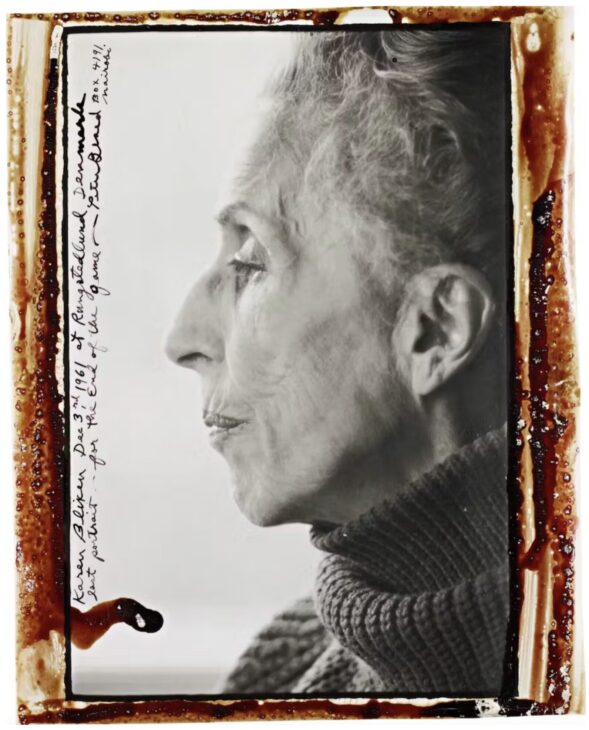
Beard sought out Karen Blixen herself, visiting the aging author in Denmark in the early 1960s. Frail but fiercely articulate, she encouraged his devotion to Africa. Her words affirmed what he already felt—that the continent was both paradise and tragedy, beauty and ruin.
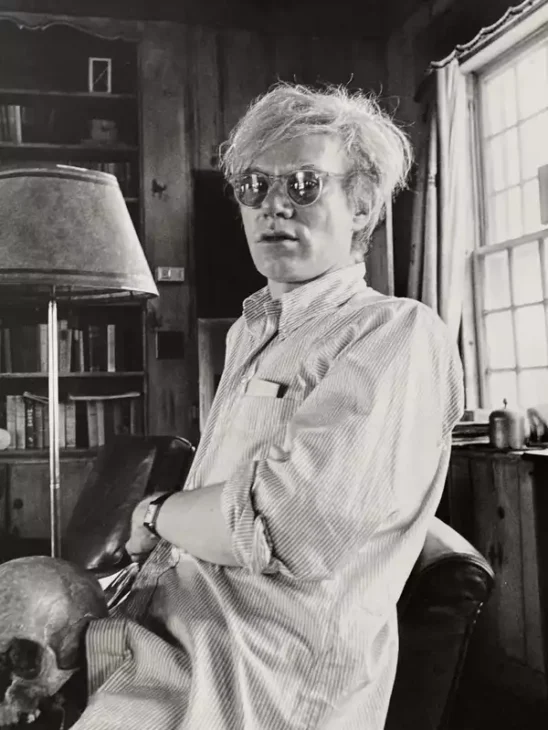
Other mentors shaped him as well. Artists like Andy Warhol and Francis Bacon opened his mind to the possibilities of collage, abstraction, and risk. Game wardens and conservationists in Kenya showed him the brutal realities of poaching and drought.
Mentors surrounded him, but ultimately, Beard would forge his own hybrid path: artist, diarist, explorer, conservationist.
05.
Into the Fire: Crossing Over into Africa’s Wilds
The decisive crossing came in 1961 when Beard bought land in Kenya near Tsavo. He lived close to the ground, journaling by kerosene lamp, developing photographs under canvas roofs, and walking the bush with rangers.
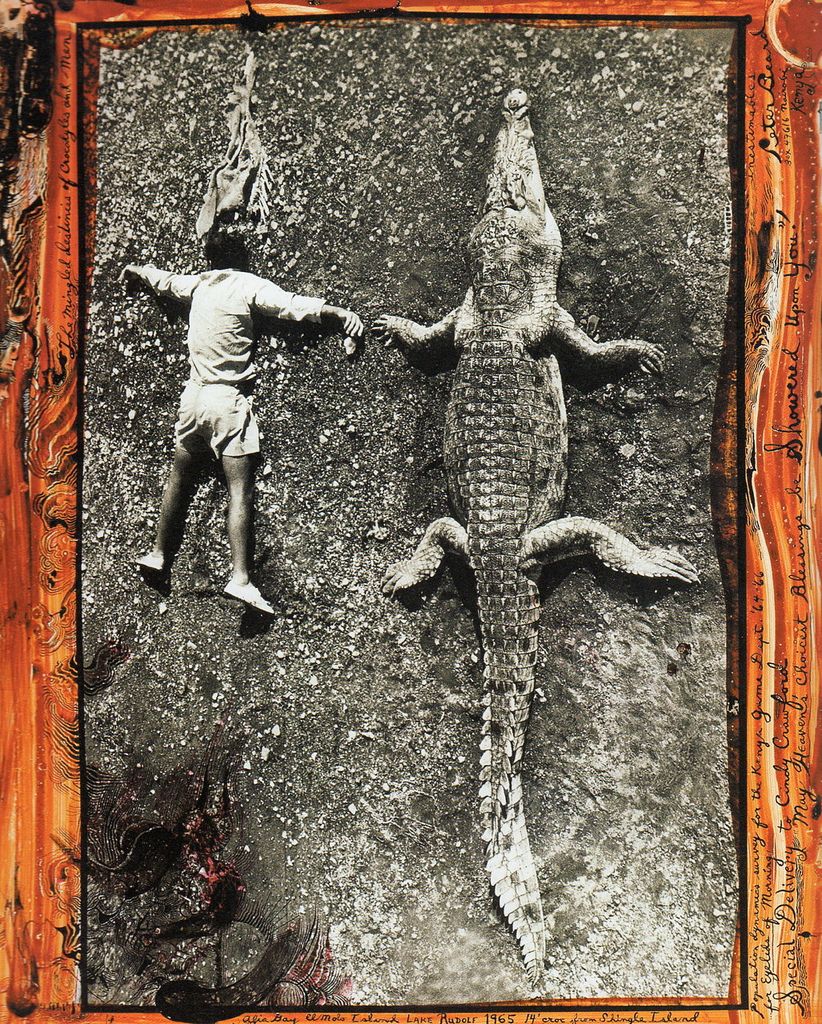
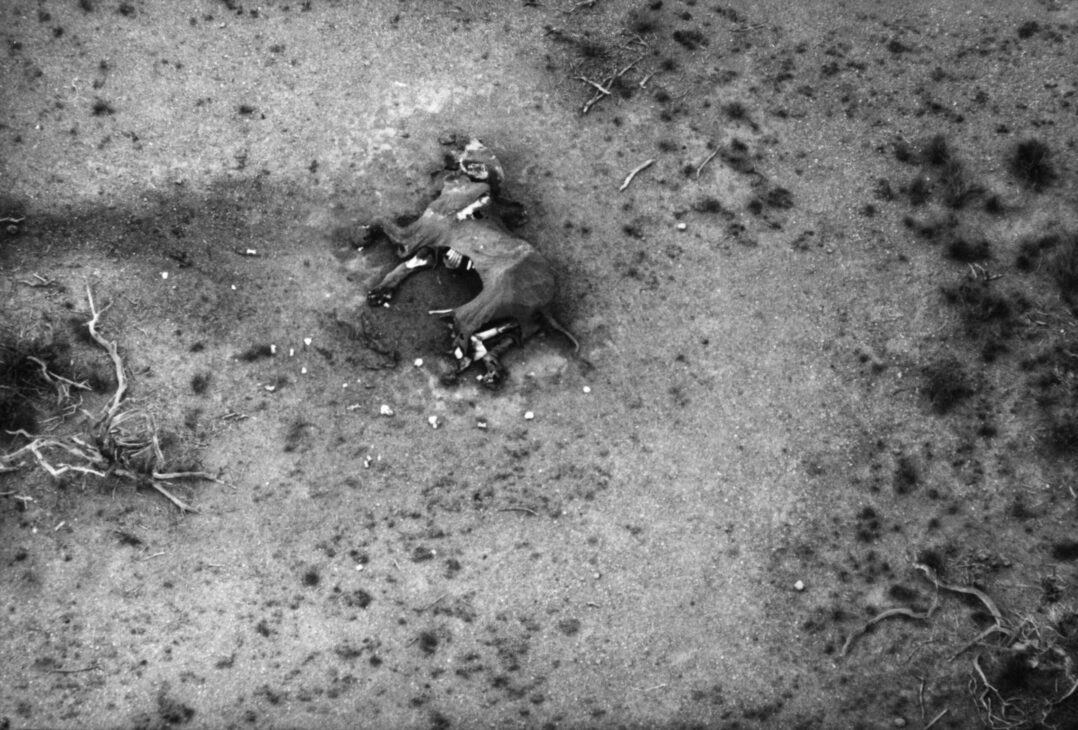
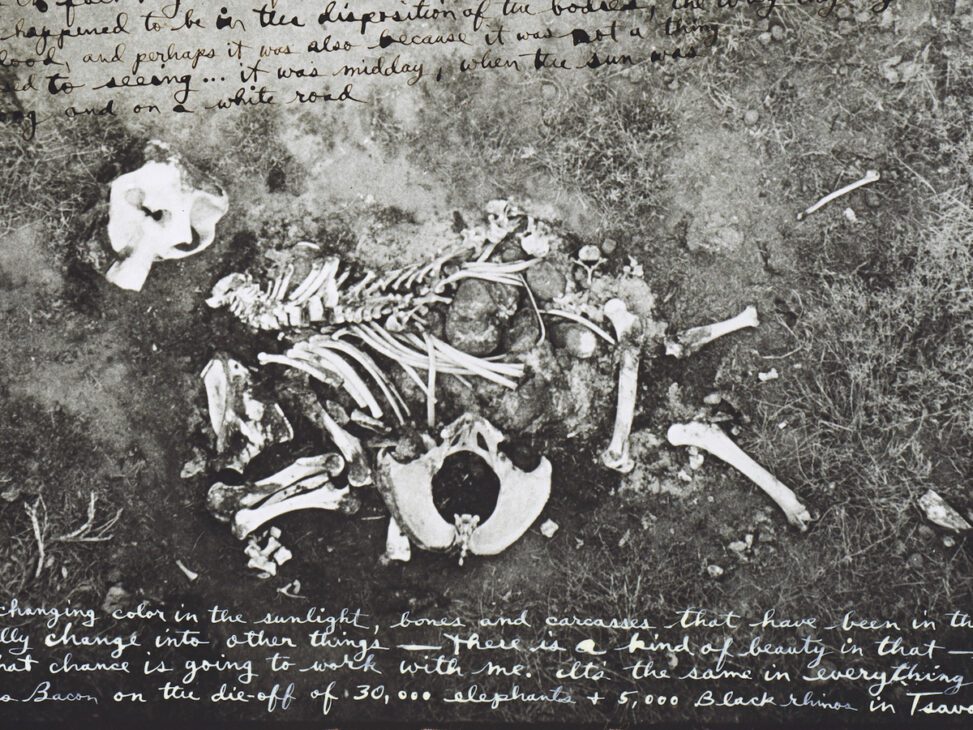
This immersion produced his landmark book The End of the Game (1965). Combining stark photography, diary fragments, and historical accounts, the book documented the catastrophic die-off of elephants in Tsavo, victims of drought, overpopulation, and human neglect. Its images of emaciated herds and skeletal remains shocked readers worldwide.
The privileged New Yorker had crossed into a new existence: a witness to extinction.
06.
The carcasses of elephants stretched to the horizon. It was like watching the end of the world.
Surrounded by Lions and Legends
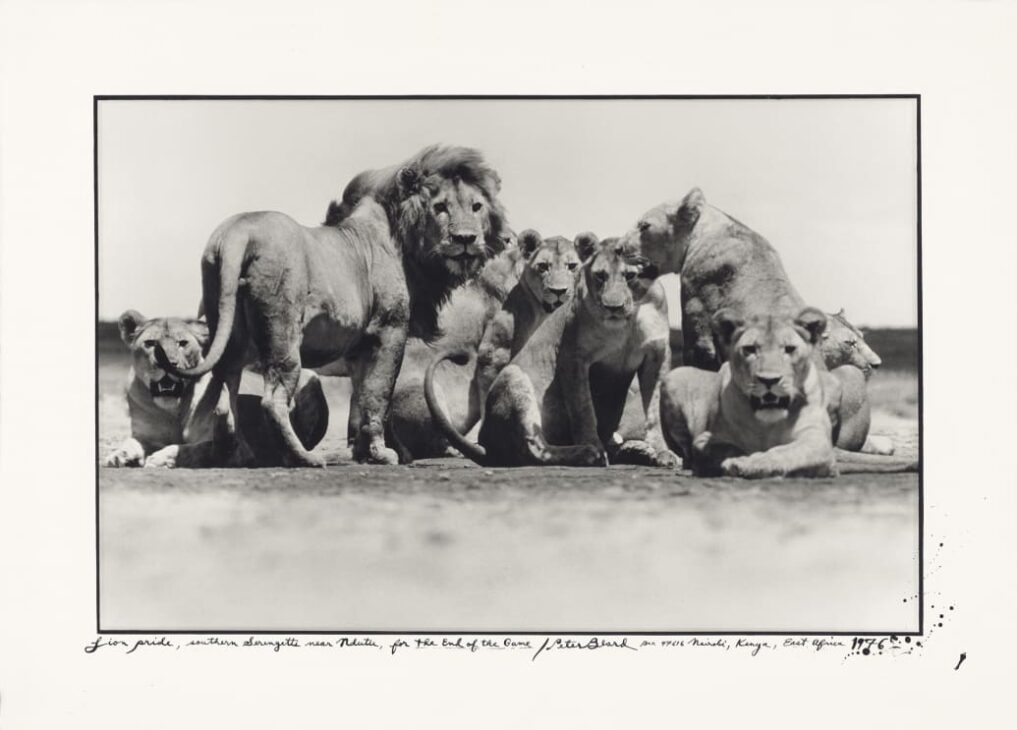
Africa tested Beard constantly. He trekked miles in brutal heat, endured hunger and exhaustion, and came within inches of death many times. He captured images that few dared to take—close-ups of lions, elephants, and vultures picking clean a carcass.
He made allies among both the famous and the forgotten. His Montauk home and Kenyan retreat became magnets for figures like Mick Jagger, Truman Capote, and Jackie Kennedy. He photographed models like Iman and worked alongside Richard Avedon. His charisma drew people in, yet his commitment to the wilderness never wavered.
Enemies were everywhere too. Poachers ravaged the lands he loved. Governments ignored pleas for conservation. In another sense, Beard’s own reckless impulses—his addictions, his volatile relationships, his brushes with the law—were constant adversaries.
One night it was Warhol, the next morning it was lions at the watering hole. That was my life.
07.
Face to Face with Extinction
For Beard, the “inmost cave” was both a place and a state of mind. In Tsavo, he witnessed firsthand the death of tens of thousands of elephants. Carcasses stretched across the landscape, vultures circled, and the silence of absence became deafening.
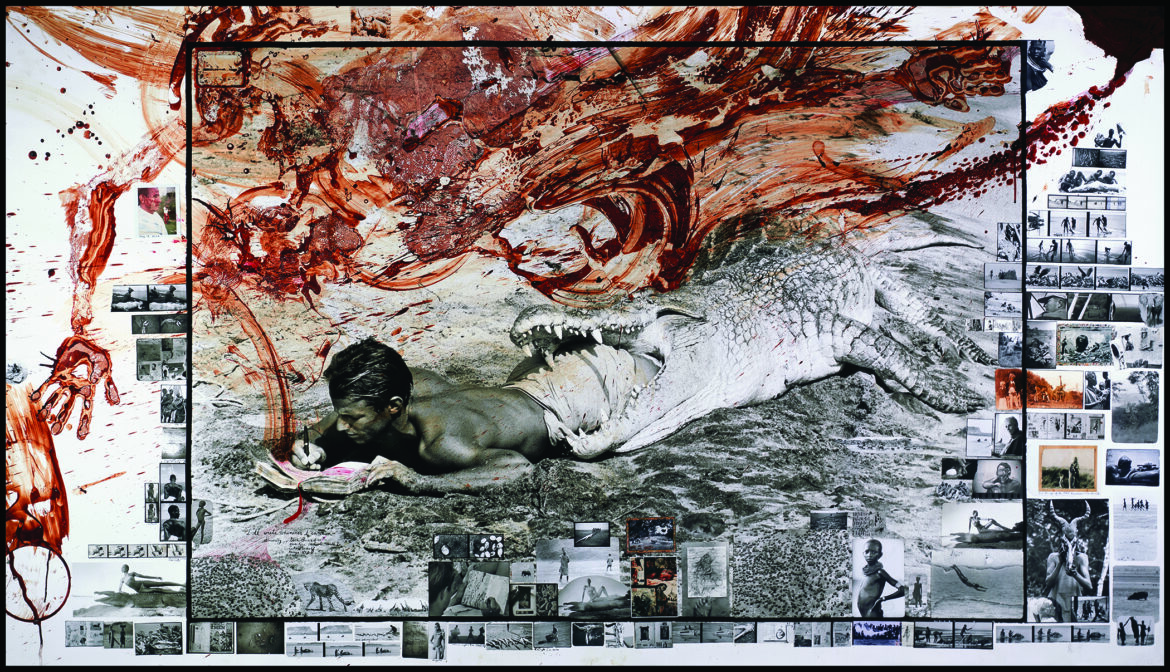
His art grew darker and more experimental. His diaries exploded into dense collages layered with ink, photographs, blood, and animal remains. They became both personal records and public warnings. In them, Beard confronted not only the death of elephants but the looming death of wilderness itself.
Approaching this cave meant confronting extinction—and seeing humanity reflected in it.
08.
The Beast Strikes Back
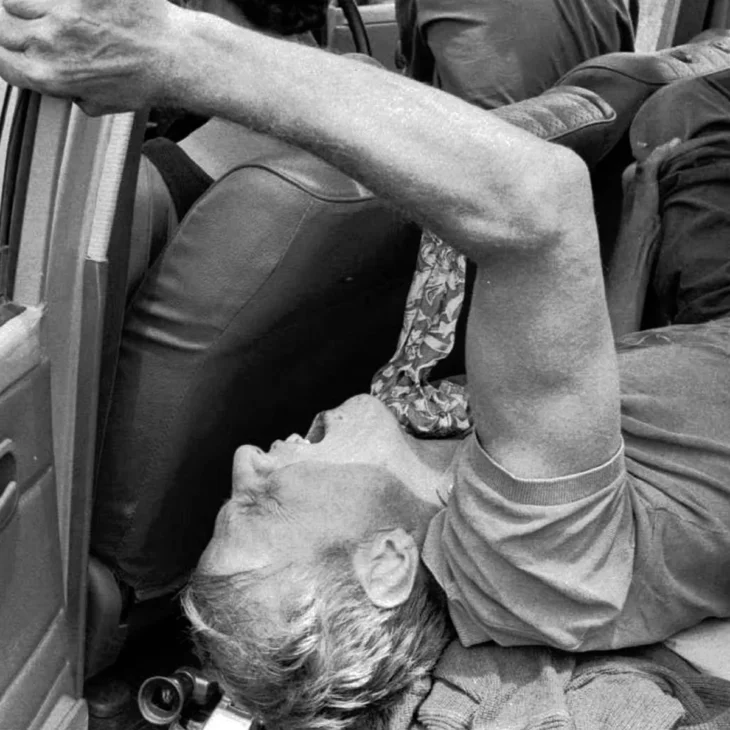
The ordeal was relentless. Beard endured malaria, infections, and starvation in the field. In 1996, while photographing elephants, he was gored, his leg torn open. He nearly died, saved only by emergency surgery.
His personal life was equally volatile. He married and divorced multiple times, including a high-profile union with model Cheryl Tiegs. He drifted through parties at Studio 54, dabbled in drugs, and clashed with friends and lovers. Later in life, strokes and dementia would erode his health.
Yet he turned ordeal into art. His collages, smeared with chaos, became extensions of his life—messy, visceral, and unfiltered.
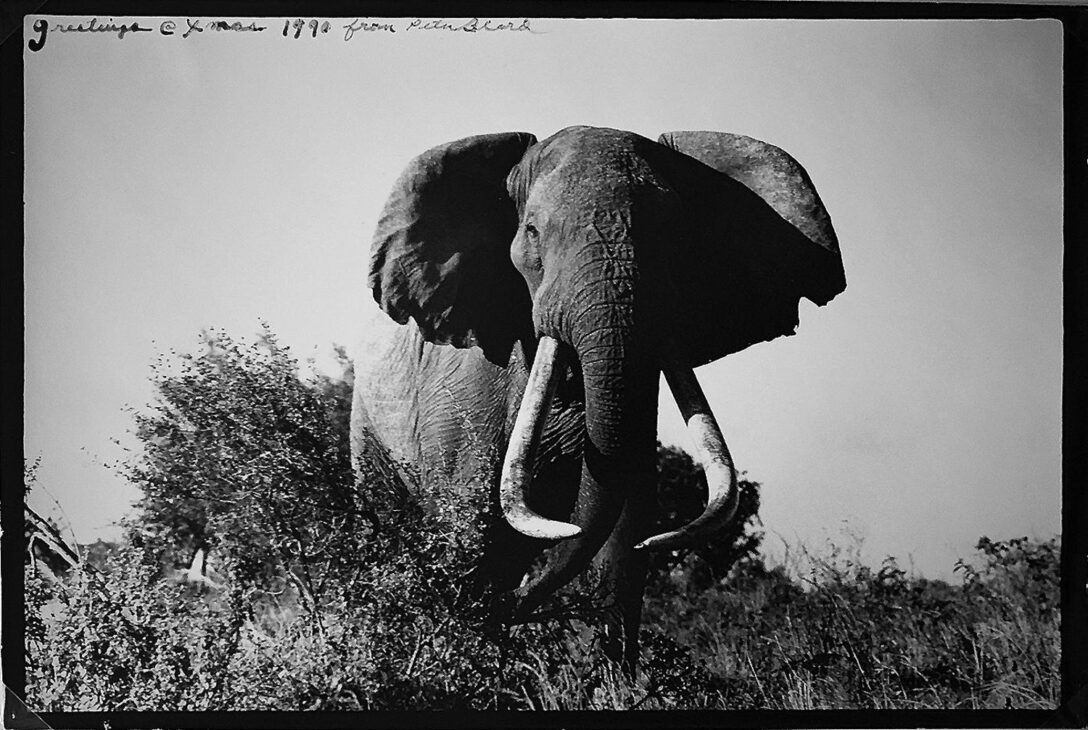
I was gored by an elephant — a tusk ripped my leg open. You don’t walk away from that unchanged.
09.
The Spoils of Survival
Out of this chaos came triumph. The End of the Game established Beard as a visionary. Exhibitions in New York, London, and Paris celebrated his diaries and collages. Collectors clamored for his blood-smeared artworks.
More than accolades, his reward was impact. Beard forced the art world and broader society to confront uncomfortable truths about ecological collapse. His photographs of elephant die-offs remain some of the most searing visual documents of environmental destruction ever produced.
The sword he seized was not just fame but the moral authority of witness.
10.
No Way Back to Ordinary Life
Beard’s road back was jagged. He split his time between Montauk, Manhattan, and Kenya. He was a fixture at parties and galleries, yet he never stopped returning to Africa.
Age and illness complicated the journey. He suffered strokes, lost mobility, and battled memory loss. Assistants helped him manage his vast archive of diaries and negatives. The once restless explorer now wrestled with fragility.
The road back was no return to ordinary life—it was a slow reckoning with mortality.
11.
The Last Vanishing Act
Beard’s elixir is the legacy he left behind. His diaries, collages, and photographs remain visceral reminders of nature’s beauty and fragility. They continue to inspire conservationists, artists, and anyone who feels the pull of wilderness.
When he disappeared into the woods of Montauk, it felt like nature had finally reclaimed him.
His message is blunt yet luminous: when humanity destroys the wild, it destroys itself. Through his lens, Beard transformed tragedy into warning, and chaos into art.
As he once wrote, “Art is a wound turned into light.” That light still burns through his images today.

12.
Turning Wounds into Light
Peter Beard’s story is the archetype of the Hero’s Journey. He began in privilege, heard the call of the wild, endured ordeals of both nature and self, and returned bearing an elixir for all of us: the truth that the natural world is sacred, fleeting, and bound to our fate.
He was adventurer, diarist, provocateur, and prophet. His life was as untamed as the elephants he loved. His death only reinforced his legend.
Beard’s journey compels us not only to remember him but to heed the wilderness he championed. For in his story, we glimpse our own.