


Street photography is more than just taking pictures in public—it’s about capturing life as it unfolds, raw and unscripted. Here are the key things you should know:
The Essence of Street Photography
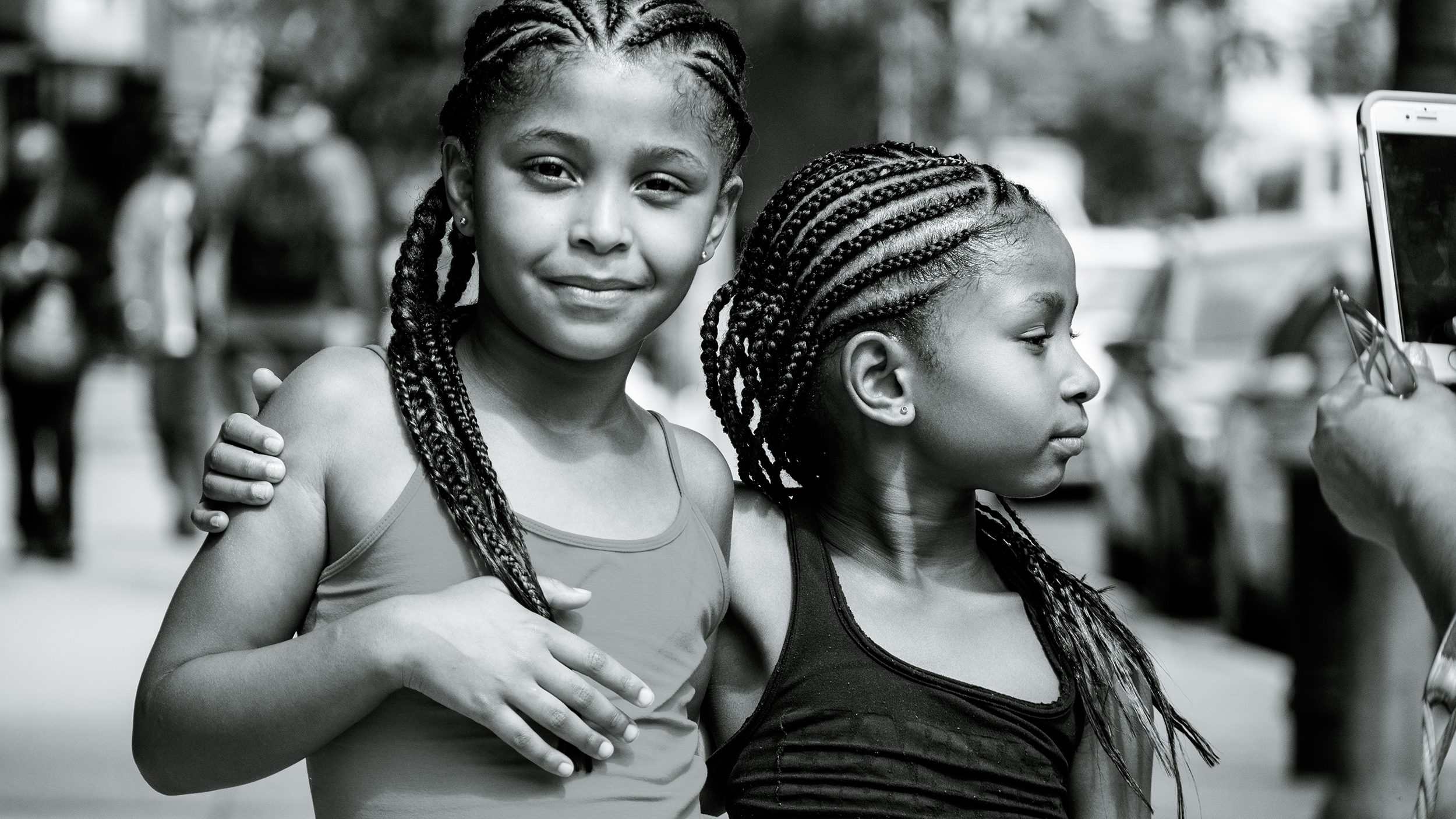
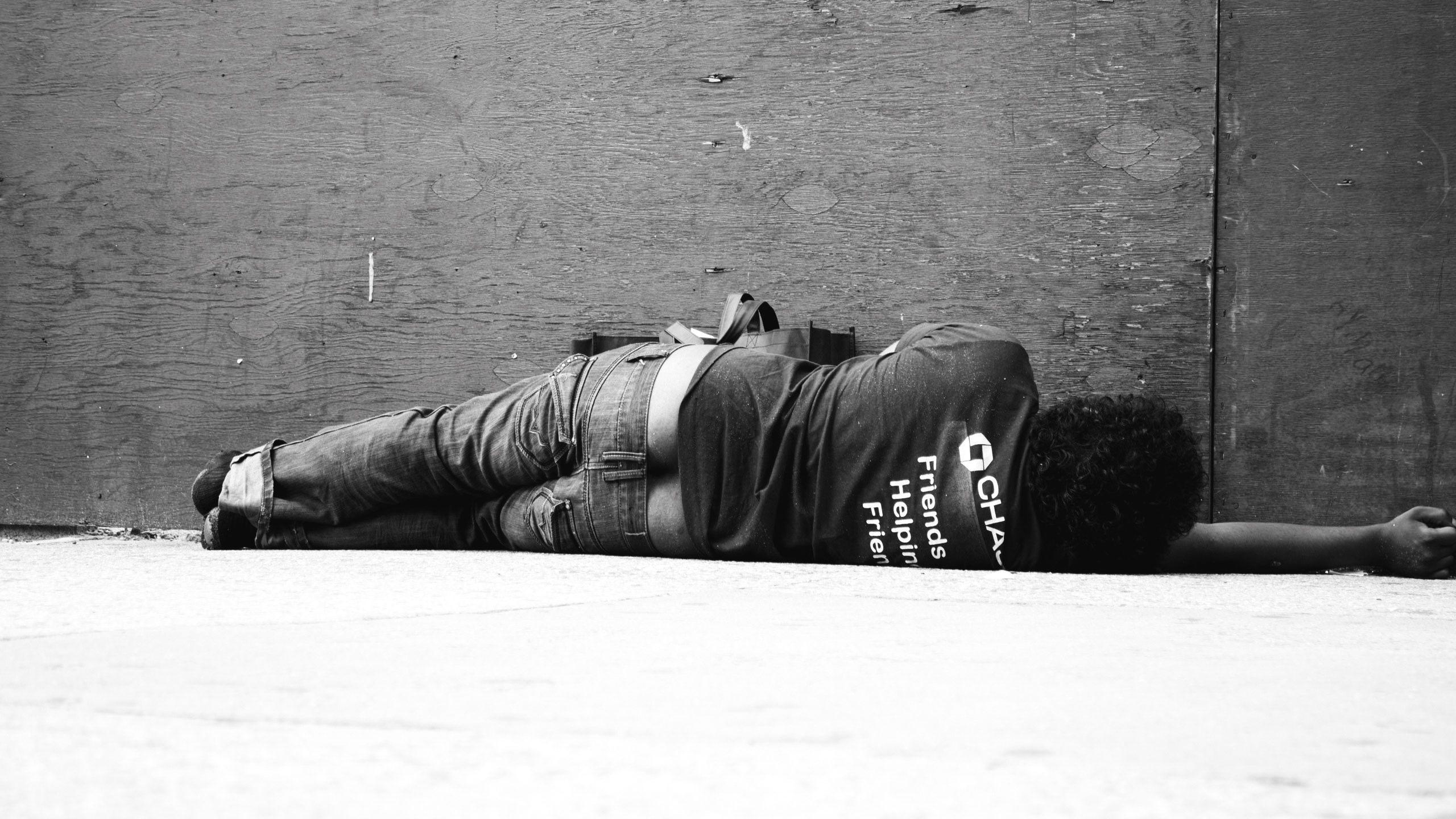
It’s about candid moments—real people, real places, real interactions.
The focus is often on storytelling, atmosphere, and emotion rather than technical perfection.
Think of it as visual anthropology—you’re documenting culture, style, and human behavior.
Mindset and Approach
Be observant: Great shots happen in seconds. Learn to notice gestures, expressions, light, and patterns.
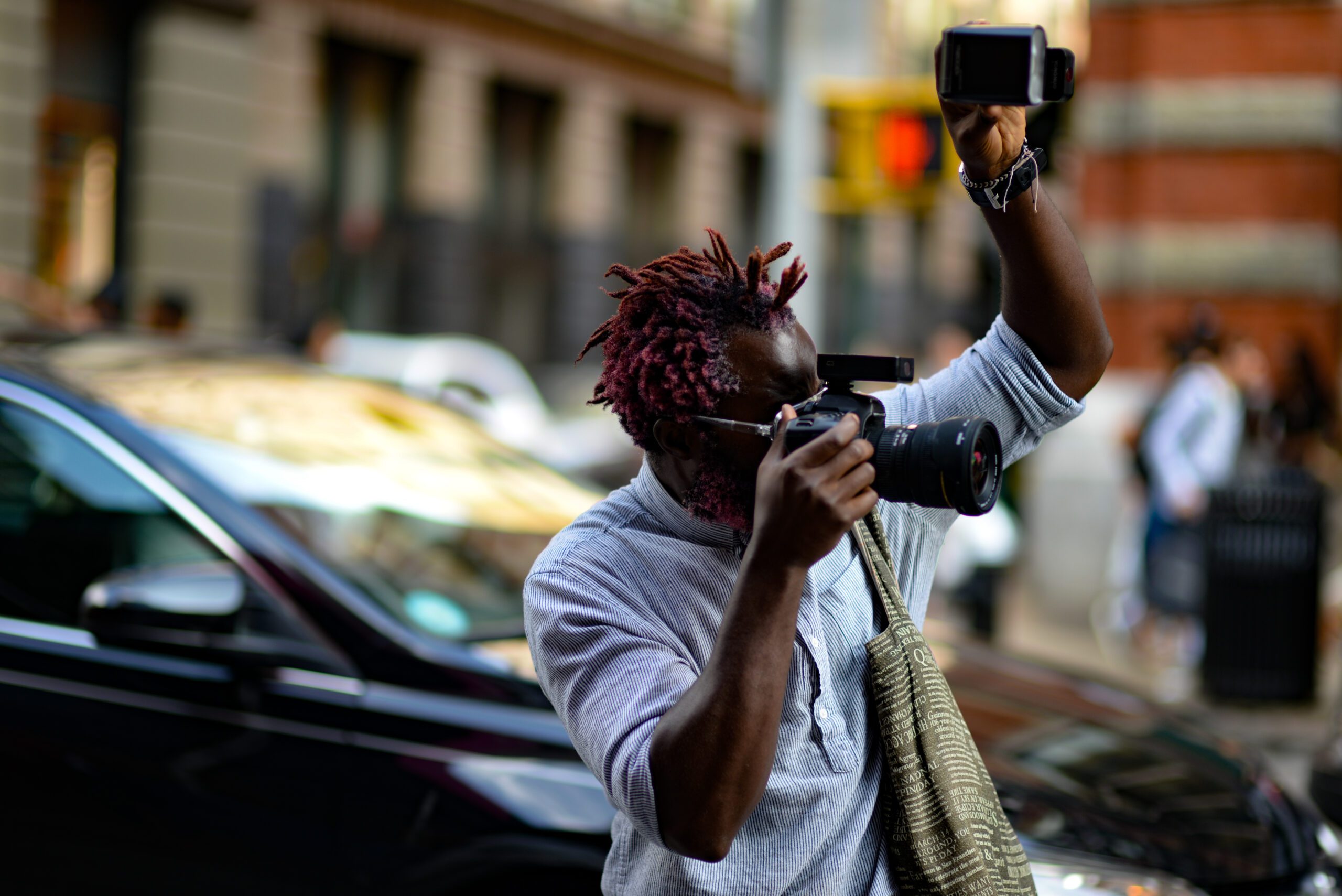
Blend in: The less attention you draw, the more natural your photos will be.
Respect the moment: Capture, don’t interrupt. Sometimes restraint is as important as shooting.
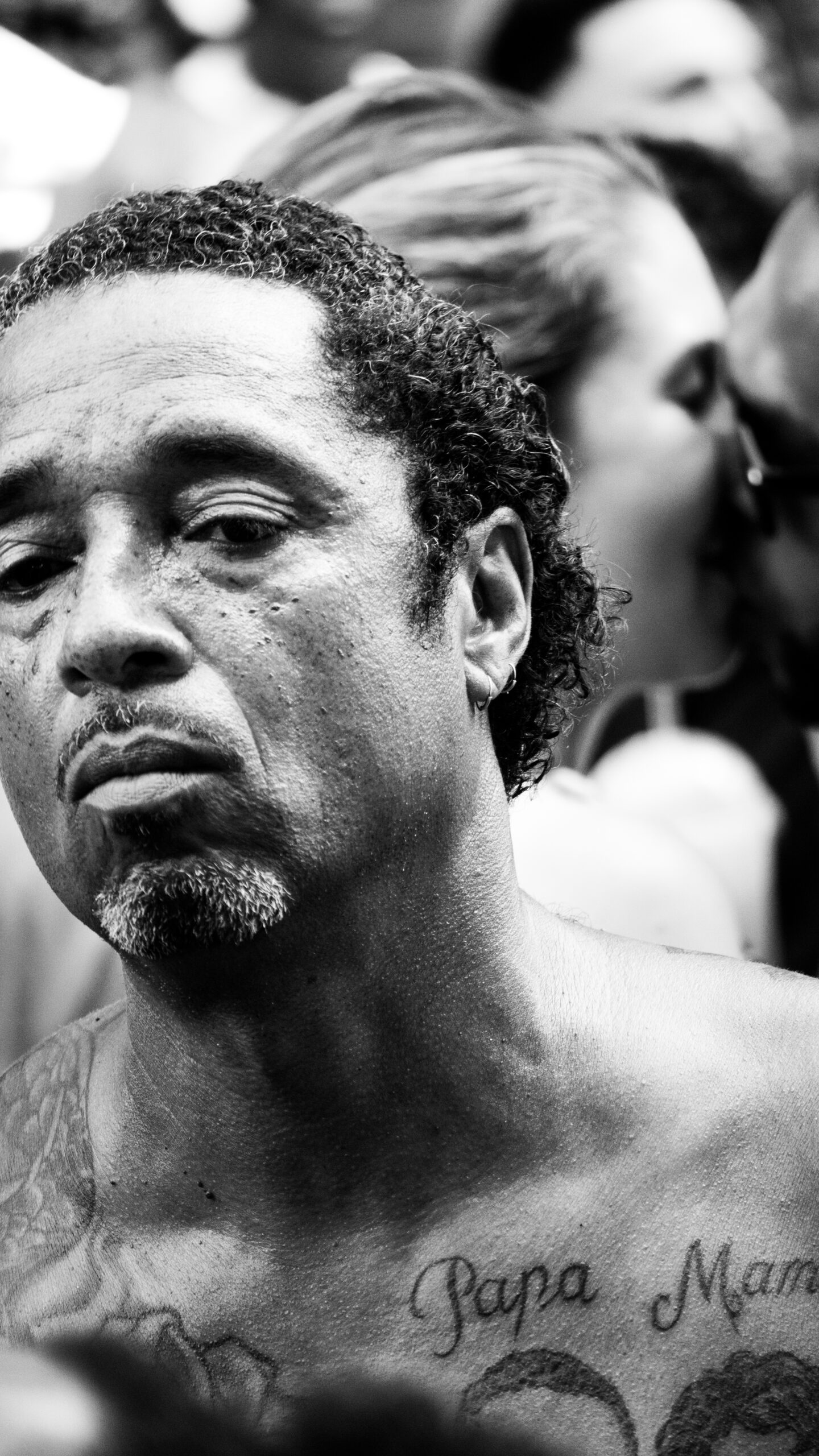
Aubrey
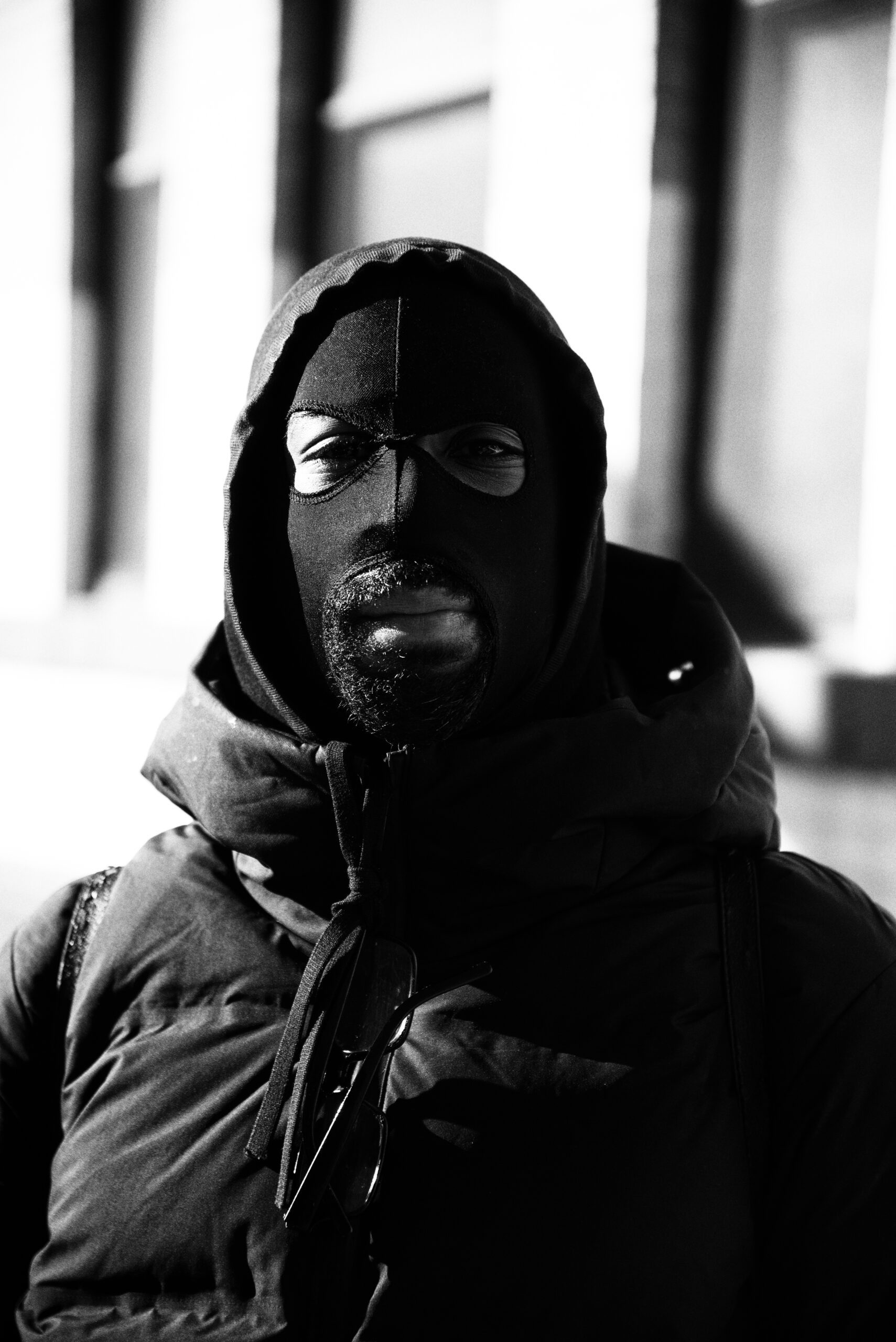
Street photography isn’t about perfection—it’s about presence. The real art lies in noticing the moment before it disappears.
Legal and Ethical Considerations
Know your rights: In most countries (including Australia), you can photograph people in public without permission, as long as you’re not harassing them or using the images commercially without consent.
Respect privacy: Just because you can take the shot doesn’t always mean you should. Trust your instincts.
Commercial use: If you plan to sell photos or use them in ads, you’ll need a model release.
Artistic Elements
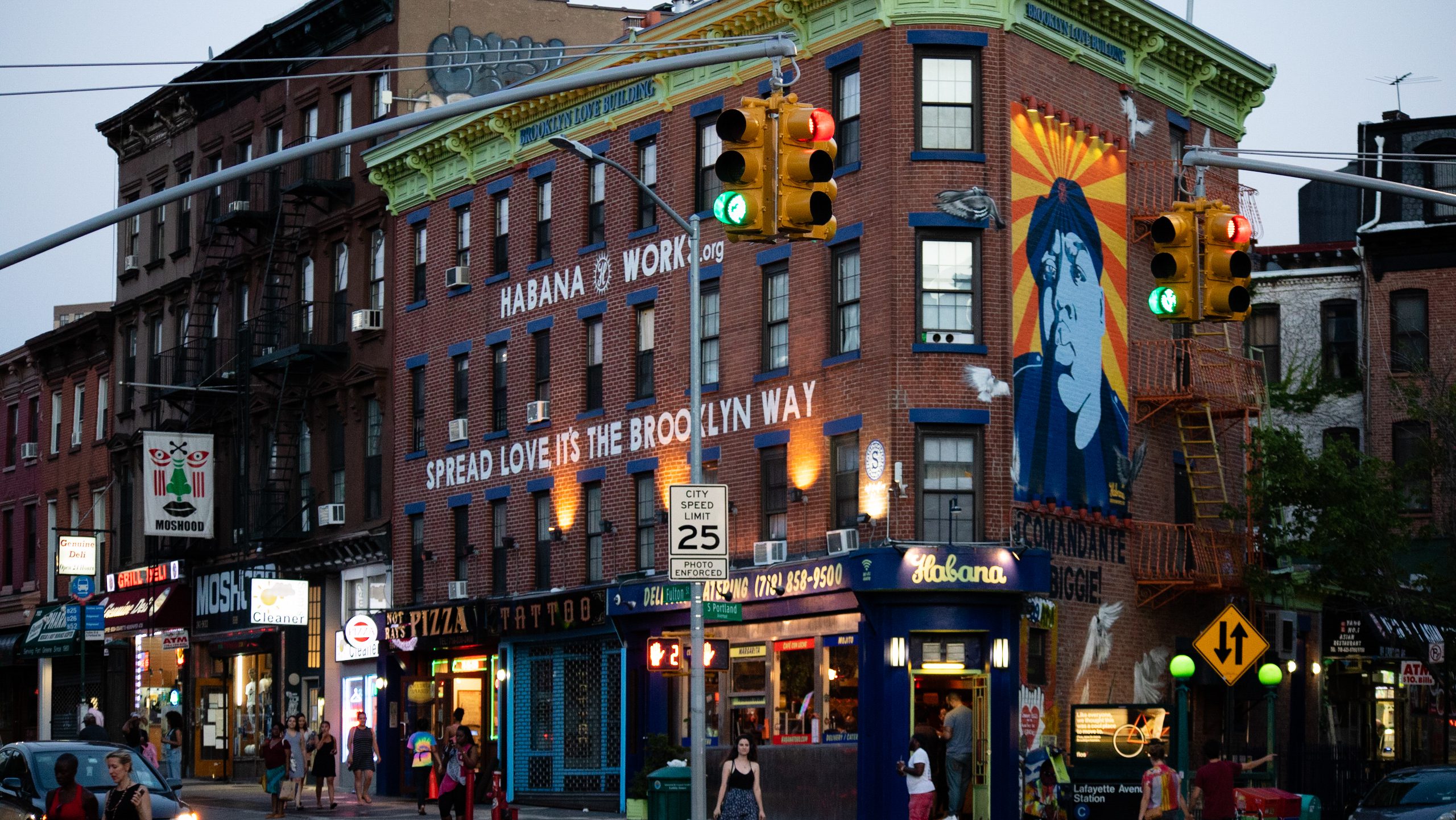
Composition: Look for leading lines, reflections, shadows, symmetry, and juxtapositions.
Light: Street photography thrives in natural light—especially golden hour or harsh midday shadows.
Emotion & story: A simple glance, a gesture, or a street performer can carry a narrative.
Gear & Technique
Camera choice: A small, discreet camera (mirrorless, rangefinder, or even your phone) helps you stay unnoticed.
Lens: 35mm and 50mm lenses are classics—wide enough to capture context, but natural-looking.
Settings: Shoot with a fast shutter speed (1/250+) to freeze action. Zone focusing or shooting from the hip can make you quicker.
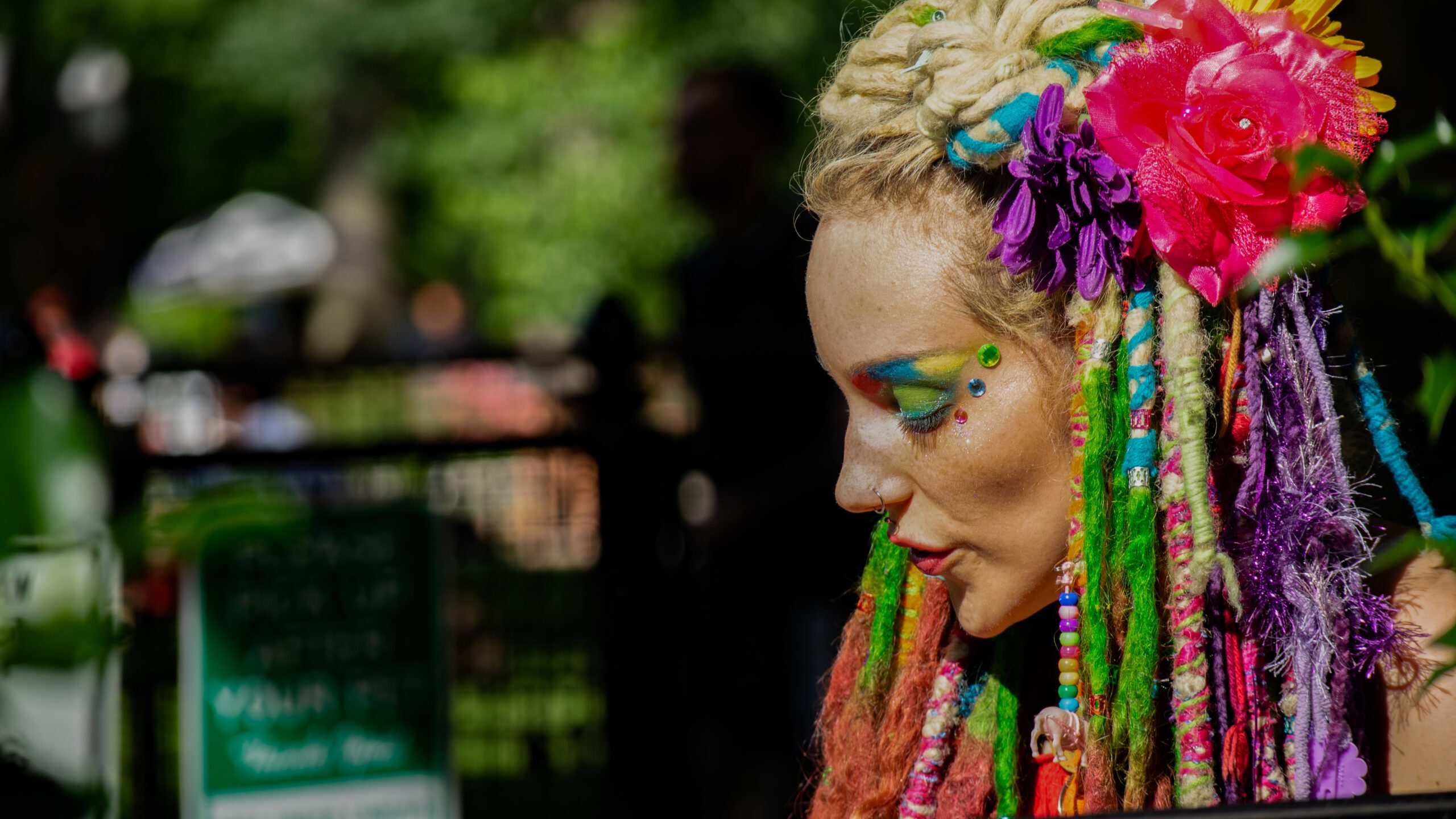
Black & white: Often used for mood and timelessness, but color can tell stories too (fashion, graffiti, neon lights).
Tips for Practice
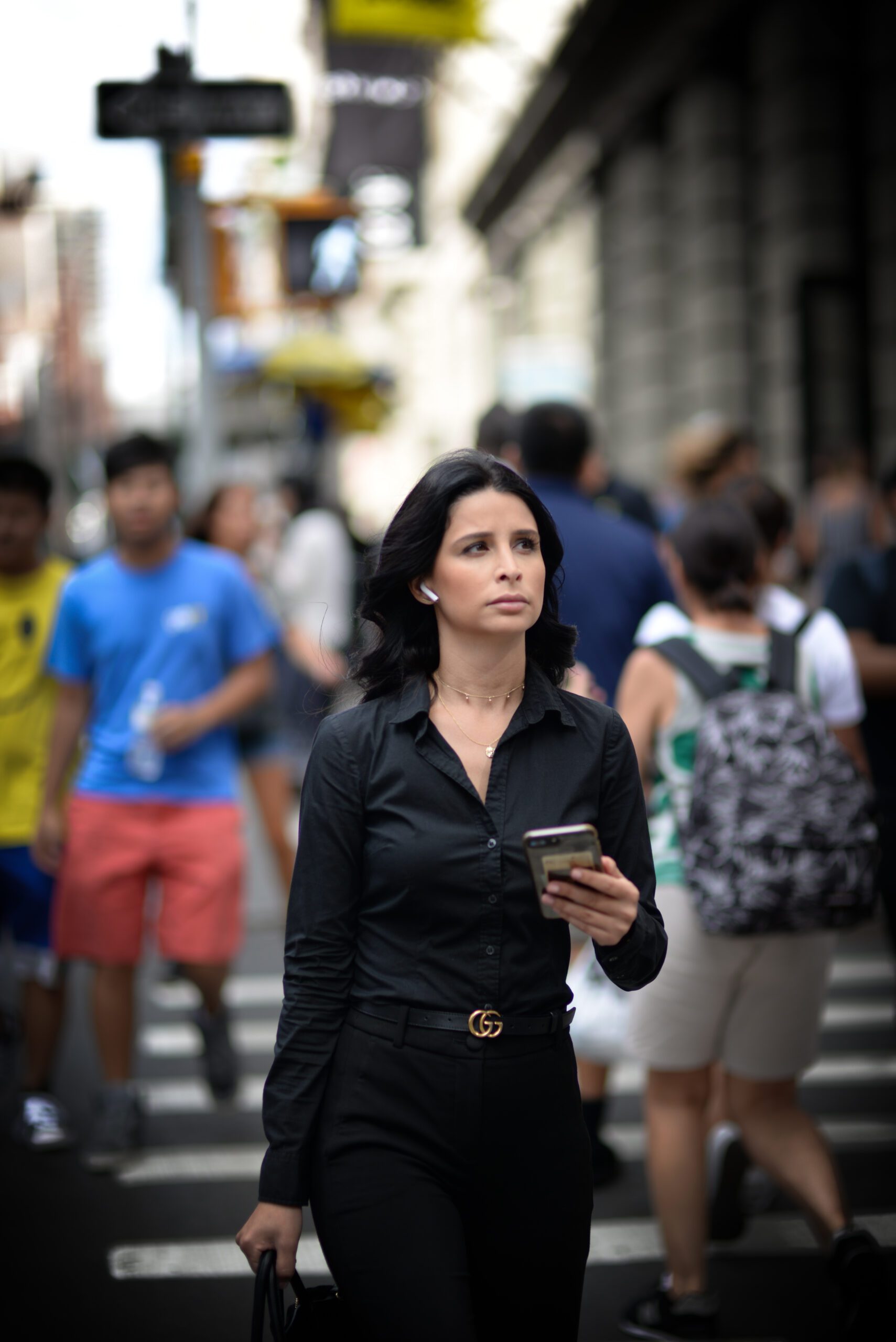
Start with busy places (markets, festivals, city streets)—people notice cameras less there.
Practice anticipating moments: watch body language and predict what might happen next.
Experiment with different perspectives—low angles, reflections in puddles, shooting through windows.
Be ready for the decisive moment—Henri Cartier-Bresson’s idea that there’s one perfect instant to press the shutter.